

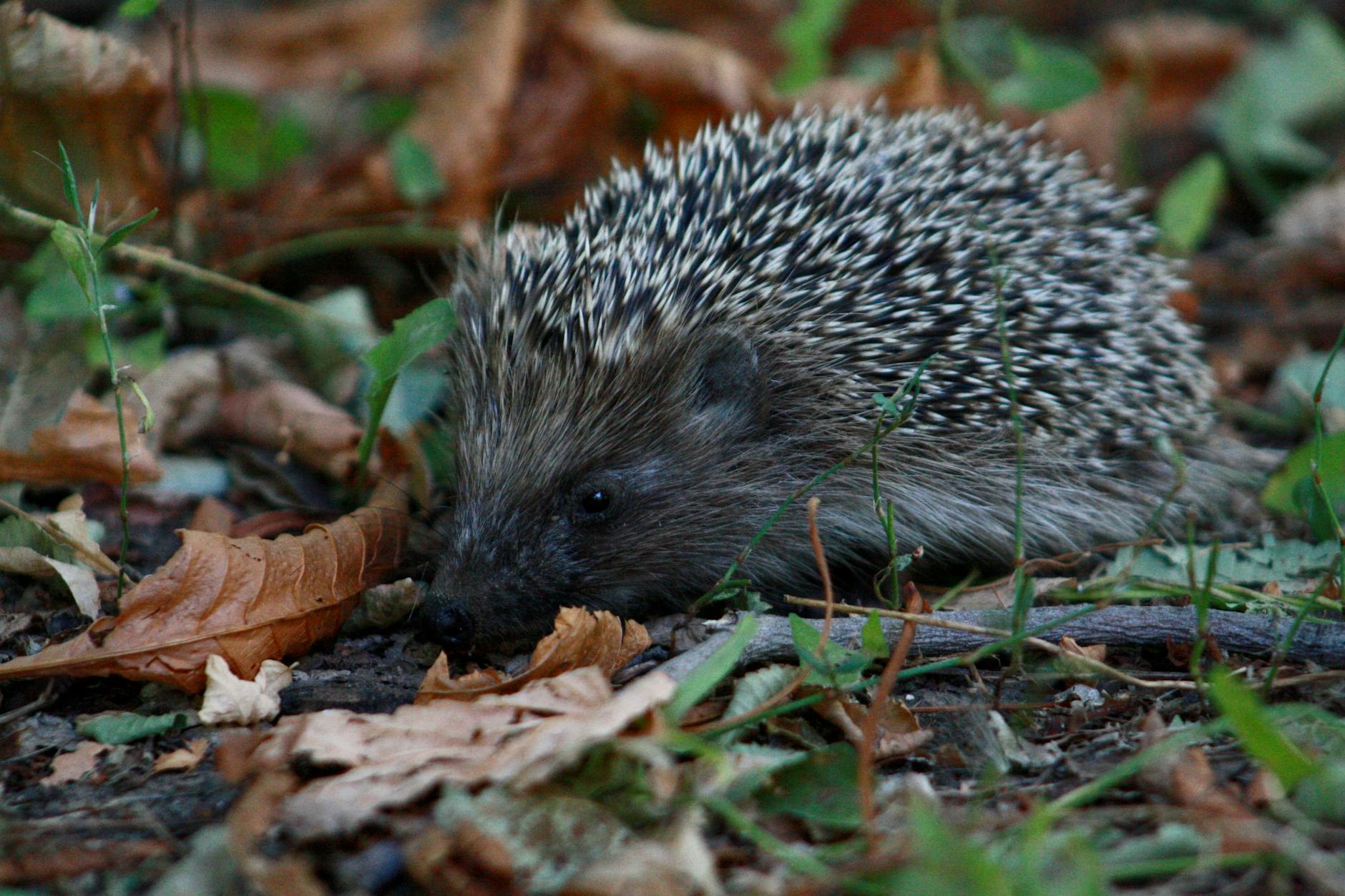
Autumn is a crucial time of year for hedgehogs as the hibernation period approaches. Temperatures start to plunge, and natural food sources become scarce at a time when hedgehogs need to prepare to survive for what can be months without food and water during hibernation. It takes many weeks of preparation to build up fat stores, find a suitable nest site and build a tightly packed nest that will keep them dry, protected from frost and safe from predators.
Healthy mature male hedgehogs are typically first to hibernate from around October until around March, followed by healthy mature females once they’ve built up fat stores after having late litters. Any underweight or poorly hedgehogs along with the juvenile hedgehogs from these late litters will remain active. It’s a race against time now as temperatures plummet and they can no longer find natural food and are forced to continue to forage in vain well into the cold winter months getting weaker and weaker…..this is where you can help.
Hedgehogs, especially juveniles, can double their weight in a few weeks with access to good nutritious food, all you need to do is provide a shallow bowl of water and one of dry kitten food, it really is that simple. Be wary of commercially produced foods sold as ‘hedgehog food’ they’re unregulated and very often contain things that are bad for hedgehogs – so keep it simple water and kitten food.
Hibernation is not for wimps, and it takes practice. Many young hedgehogs fail to build a successful nest in their first year and perish through cold and damp – again this is where you can help….
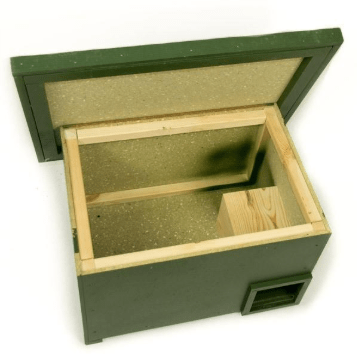
There’s never a wrong time to add a hedgehog house to your garden, and yes you can have several if you want to – hedgehogs are not territorial. A well-made waterproof hedgehog house packed full of dust extracted hay or barley straw (or a mix of both) can save a young hedgehogs life, while most experienced adult hedgehogs will still opt to hibernate under sheds or decking.
Don’t be too tidy in the garden, piles of leaves and twigs provide vital nest materials and often contain ready food sources.
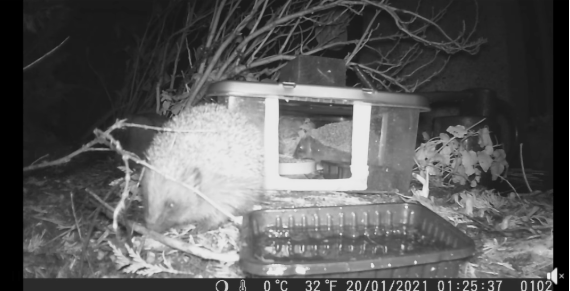
Did you know that throughout winter, especially in milder periods, hedgehogs can and do wake from time to time and go searching for food and water before hibernating again. Once more this is where you can help them, all winter, by providing a shallow dish of dry kitten food and one of water. It’s best to put the food in a feeding station to keep it dry. A feeding station is a waterproof container to keep the food dry, such as a wooden box or reuse an old plastic storage box, cut an entrance hole 13cm square to allow the hedgehog access. This really will save a cold and very hungry hedgehog’s life in the depths of winter when it comes to your garden in the frozen early hours looking for food – while you’re tucked up cosy in bed and totally unaware its quietly out there.

Very important a hedgehog out during the day, particularly in autumn and winter, is in desperate need of help from your local wildlife rescue right away, no matter how well and active it may appear to you. Never try to look after one yourself, it will die, it’s not just cold and hungry, it needs medication that only a wildlife rescue has access to.
Denise Martin
Denise raises awareness of issues around hedgehog welfare, behaviour, and ecology through Hedgehogs of Portlethen.
 North East Scotland Mammal Network