In 2025, the North East Scotland Biodiversity Partnership (NESBiP) launched the NESBiP Big 5. This is a follow-up from a very successful North East Big 5 that was launched in 2013. Much like the last campaign, the NESBiP Big 5 aims to provide simple, practical actions people can take to help protect five priority species and habitats in North East Scotland.
When we think about nature recovery in the North East, it’s easy to focus on individual species or habitats in isolation. But the NESBiP Big 5 (Hedgehog, Swifts, Northern Damselfly, Hedgerows and Willow) are all connected by something larger: healthy, functioning ecosystems. Together, they represent a mix of species and habitats where small, local actions can deliver meaningful benefits across whole ecosystems. These simple actions for the NESBiP Big 5, can indirectly help North East mammals.
Below, each of the NESBiP Big 5 is explored, showing how protecting priority species and habitats can also help the mammals of North East Scotland.
Hedgehog
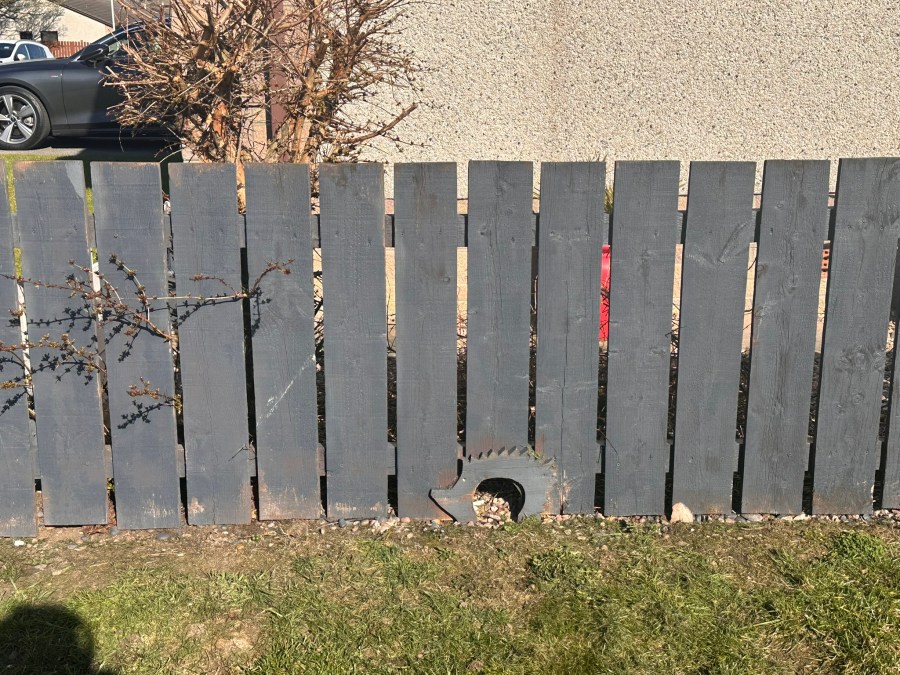
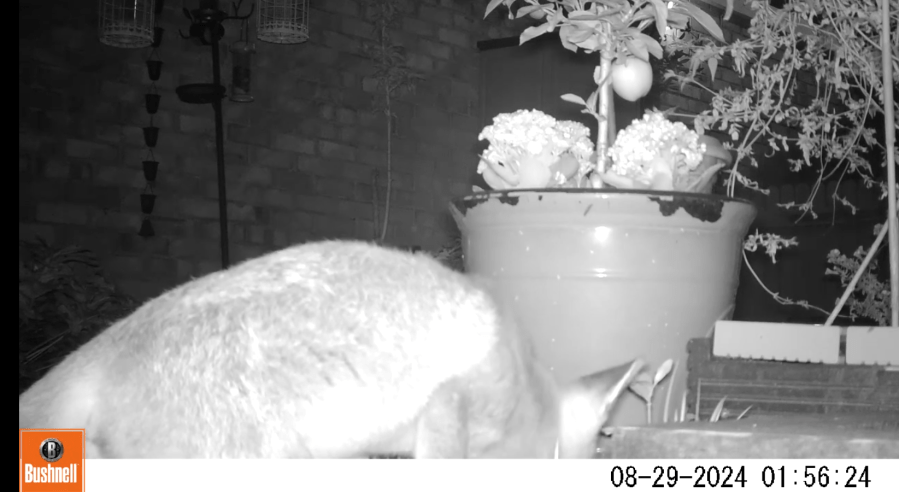
Efforts to help hedgehogs, such as improving garden connectivity, providing them safe places to shelter and reducing pesticide use, also benefit a wide range of other mammals and wildlife.
In many ways, hedgehogs are a gateway species: they encourage people to start recording mammals and paying closer attention to how everyday landscapes are managed.
Swifts
Although swifts are birds, their story is closely tied to mammals, particularly bats. Both rely heavily on abundant flying insects and are affected by changes to buildings and green spaces.
Renovations that remove nesting or roosting opportunities can reduce habitat quality for both swifts and bats. Actions like creating wildflower meadows to help increase insect populations and designing wildlife‑friendly buildings support aerial wildlife around the clock.
Northern Damselfly
The Northern Damselfly depends on clean, well‑vegetated ponds with shallow edges, open water and a range of aquatic plants. Creating fish‑free, sunny ponds with gently sloping margins provides ideal conditions for damselfly larvae, emerging adults and mammals!
All mammals need water, and no matter their size, they use pond edges for drinking and sometimes foraging. Plus, the insects supported by healthy ponds also provide an important food source for bats.
Mixed Native Species Hedgerows
Hedgerows are one of the most important habitats for mammals in the North East, providing shelter, food and safe places to breed. Small mammals use hedgerows to nest, move through the landscape and avoid predators. Whilst bigger mammals use them to shelter from the elements and connect to other habitats.
Well managed, species‑rich hedgerows help create joined‑up landscapes, while gaps or over‑management can fragment populations. Planting native hedgerows supplies flowers and berries that support insects and small mammals such as wood mice. Whether in farmland or gardens, healthy hedgerows offer vital spaces for mammals to feed, shelter and breed.
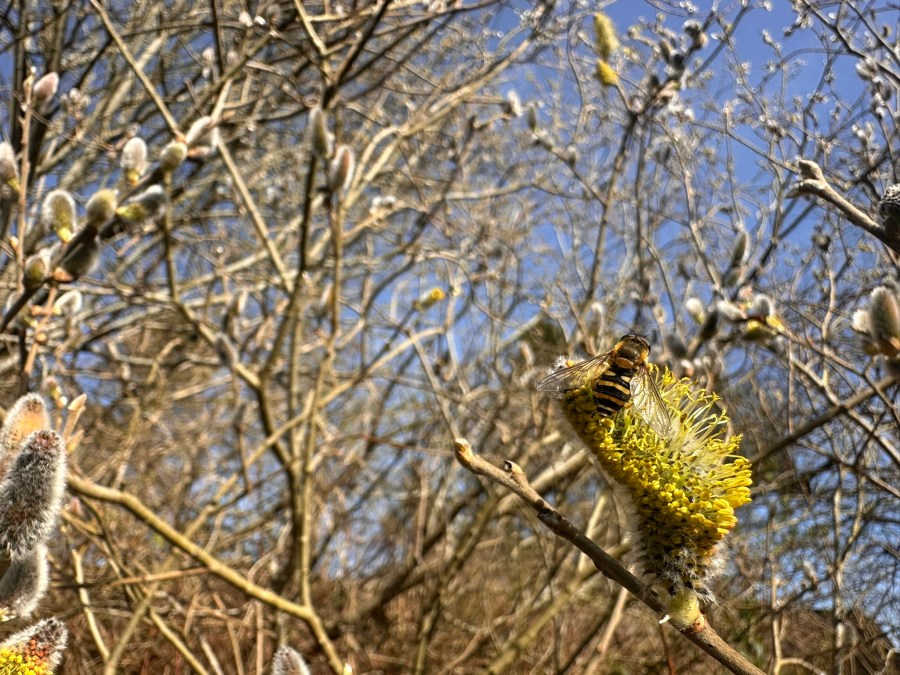
Native Willow
In the North East, we have 13 native species. Species that provide valuable benefits for mammals, particularly in gardens and small green spaces. Native willows offer shelter and cover for mammals such as hedgehogs and small rodents, while the insects they support provide important food for insect feeding species.
In addition to garden benefits, willow plays a key role along rivers, where its roots stabilise banks and reduce erosion. Mammal activity around willow helps demonstrate why this often overlooked tree is such an important part of nature recovery across the North East.
How you can help the NESBiP Big 5 and North East mammals
The NESBiP Big 5 may include just one mammal species, but by protecting all five, you are helping many more mammals across the North East. Your actions make a difference.
You can help by:
- Planting wildflower meadows, native trees and bushes
- Creating hedgehog highways
- Creating a pond or small water dish
- Recording what you see – every mammal record helps build a clearer picture of nature recovery in the region
Whether it’s a hedgehog in your garden, bats overhead, or signs of mammals along a river or path, please share your sightings with local recording schemes. Together, these records help us understand what’s working, where support is needed, and how the Big 5 are delivering benefits beyond their own species.
Author bio
Abbie Ferrar is the NESBiP Biodiversity Coordinator working with 50+ partners and communities across Aberdeen City, Aberdeenshire and Moray to take action for nature. You can contact Abbie at nesbip@hutton.ac.uk

